.svg)
.svg)
Flaky tests aren't a tooling problem, they're an architecture problem.


Flaky tests don't just slow down CI/CD pipelines. They create a hidden tax on every code change.
The numbers tell the story. Bitrise's 2025 Mobile Insights report found that the likelihood of encountering a flaky test rose from 10% in 2022 to 26% in 2025. That's not just an annoyance. It's a statistical certainty that undermines trust. But the immediate pain of unreliable builds masks a deeper cost. Test maintenance now consumes up to 50% of automation budgets. Teams spend 20+ hours per week creating and maintaining tests rather than writing new coverage.
The architecture problem
Traditional automation validates implementation details. Does this button have class='submit-btn'? Does this element exist in the DOM at this exact path?When developers refactor CSS or restructure components, tests fail. Not because functionality broke. Because the implementation changed. The test asked: "Does the code look like this?" The correct question is: "Does the behavior match the design intent?" Every refactoring becomes a negotiation. Improve code quality and break tests. Or preserve test stability and accumulate technical debt. Teams choosing between code quality and test coverage have already lost.
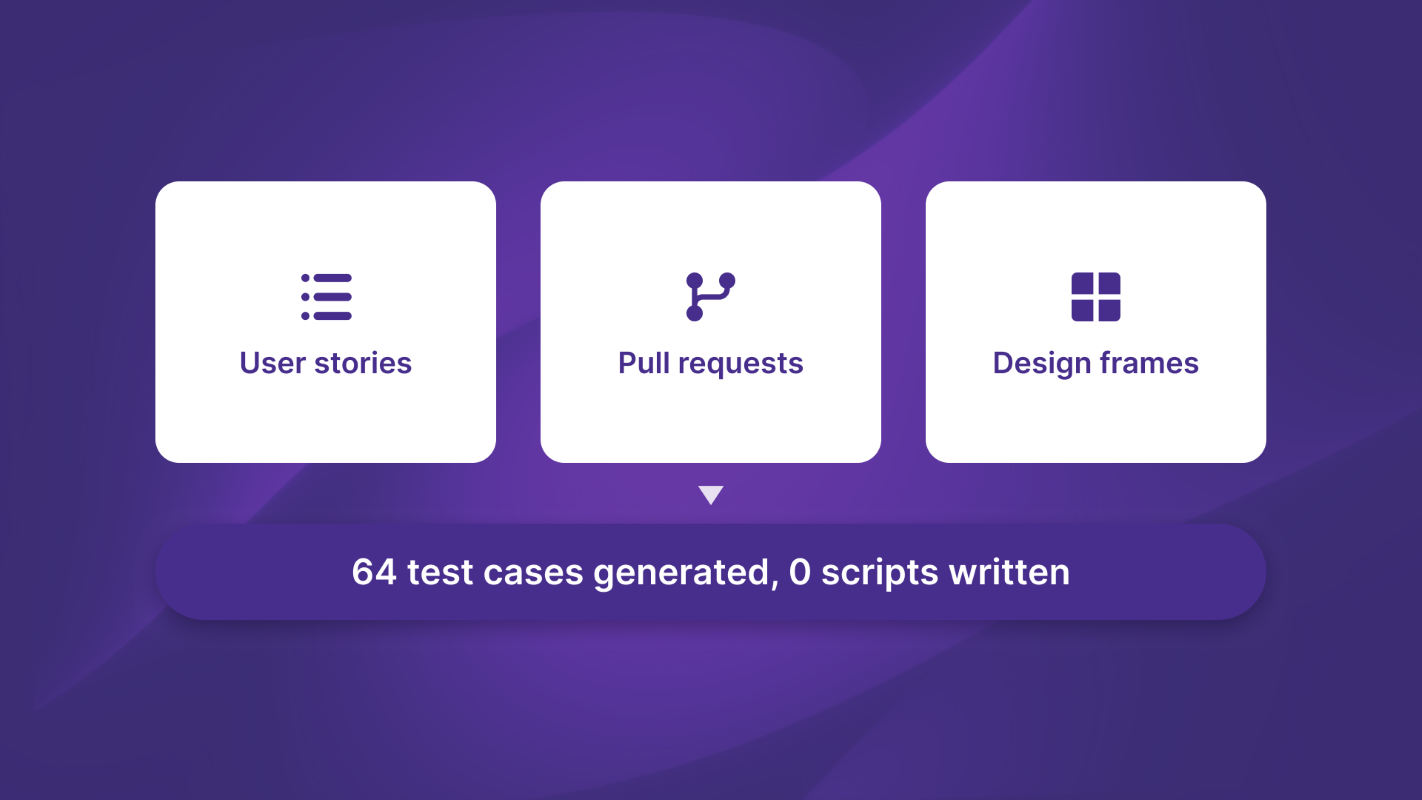
Platforms like QA flow solve this by testing behavior from Figma design specifications rather than CSS selectors. The test validates: "Can a user submit this form and see confirmation?" not "Does button.submit-btn exist?"
Test suites scale linearly. Maintenance costs compound exponentially. A 100-test suite with 10% flakiness means 10 unreliable tests. Double the suite to 200 tests at 26% flakiness and you now have 52 unreliable tests. The maintenance hours don't double. They quadruple. Rainforest QA's 2025 survey found 55% of teams using Selenium, Cypress, and Playwright spend at least 20 hours per week on test upkeep. That's half an engineer's time maintaining existing tests instead of building new coverage.
The opportunity cost is invisible until you calculate it. A senior engineer with a $150K yearly salary who spends 50% of their time on test maintenance creates $75K in sunk costs. Multiply across a team of 10 QA engineers and you've spent $750K annually maintaining tests that break during refactoring.
%2520(12).png)
This is where releasing with confidence becomes critical. Intent-based testing validates behavior from design specifications. Not implementation details.
When QA flow tests a form submission, it checks: "Does clicking this trigger form submission and display confirmation?" The test doesn't care if the button class changes from 'submit-btn' to 'primary-action'. It doesn't care if the DOM structure shifts. The behavior defined in Figma remains constant. The test remains valid.
Refactor the entire component library and the tests still pass. Because they test what should happen, not how it's implemented. This architectural shift eliminates the maintenance tax. Tests that survive refactoring don't consume 20 hours per week in upkeep. They consume minutes. Test reliability isn't about better selectors. It's about testing intent, not implementation.