.svg)
.svg)
QA engineer role evolution: from test execution to strategic quality architecture

.png)
There's a dangerous assumption spreading through engineering organizations: autonomous testing means fewer QA engineers. The reality is role transformation, not elimination.
AI-Testing Specialists command 20-30% salary premiums over traditional testing roles. AI QA Engineer positions are projected for 150% growth between 2025-2030. The question is not if QA roles will survive. It is about how they change. QA roles will shift from regression testers to strategic quality architects who guide autonomous systems and do high-value exploratory work.
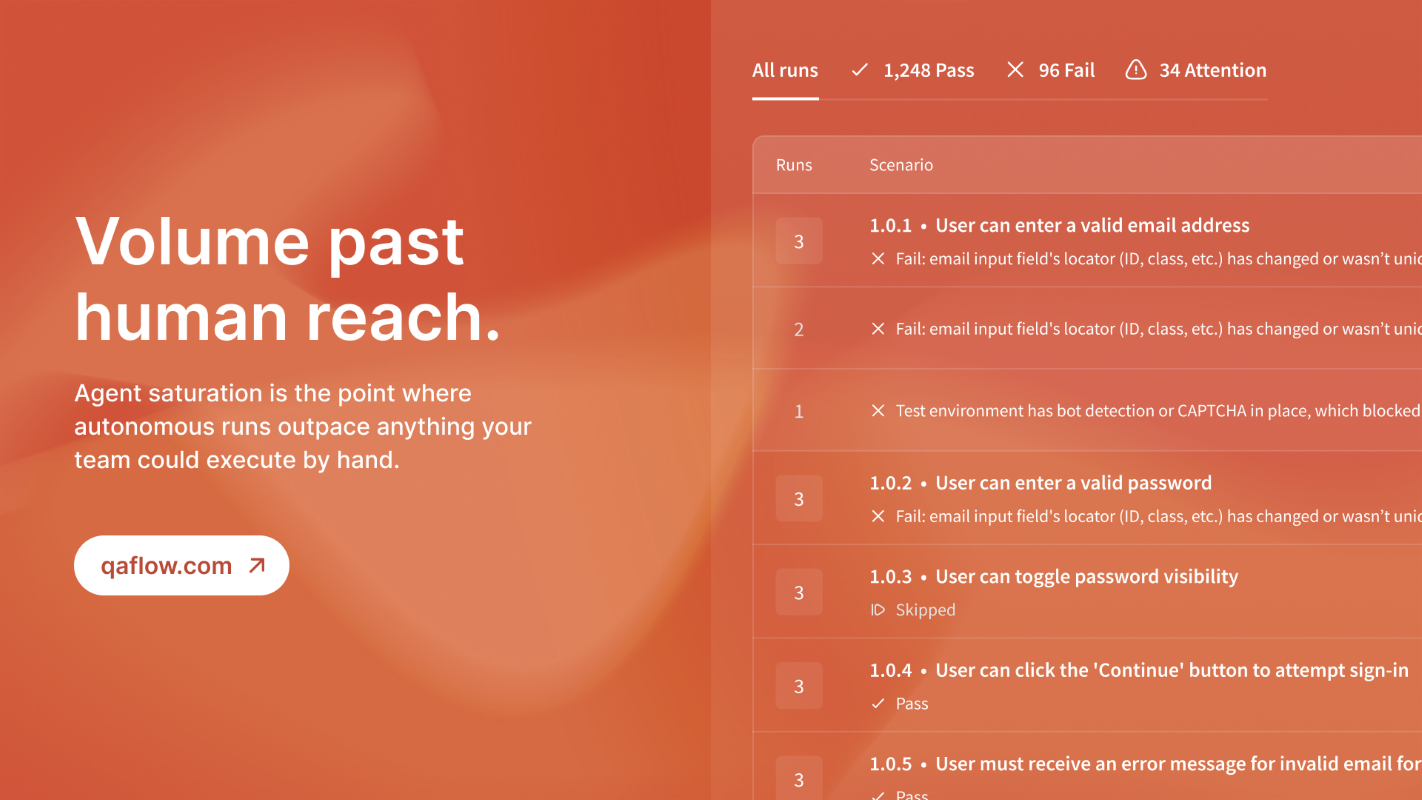
Autonomous systems eliminate the low-value repetitive work that doesn't scale with team growth: test generation from design specs, parallel execution across environments, and comprehensive bug ticket creation with network logs and severity classification. This work should not need human intelligence at all, yet it has consumed most QA capacity for years.
What autonomous systems actually handle
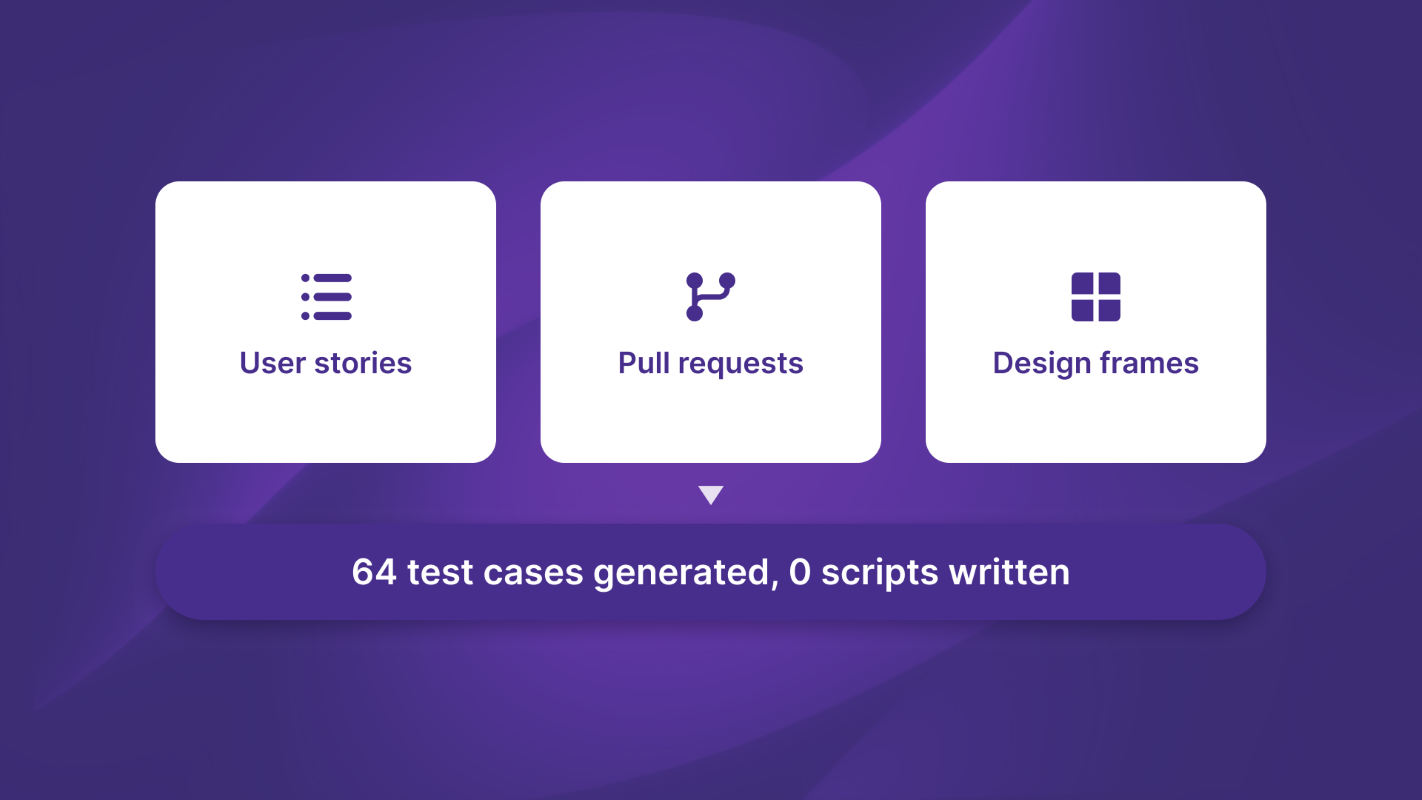
Platforms like QA flow demonstrate what changes when testing becomes truly autonomous. The system creates test cases from Figma specs and GitHub commits, removing the need to manually convert design intent into test scripts. It executes tests in parallel across browsers and devices without human orchestration. When bugs are detected, it creates detailed tickets complete with reproduction steps, network logs, and severity classification.
This isn't faster manual testing. It's autonomous testing that removes the repetitive work entirely — the work that burns out QA engineers, requires proportional headcount increases as applications grow, and prevents teams from expanding test coverage because there simply aren't enough hours.
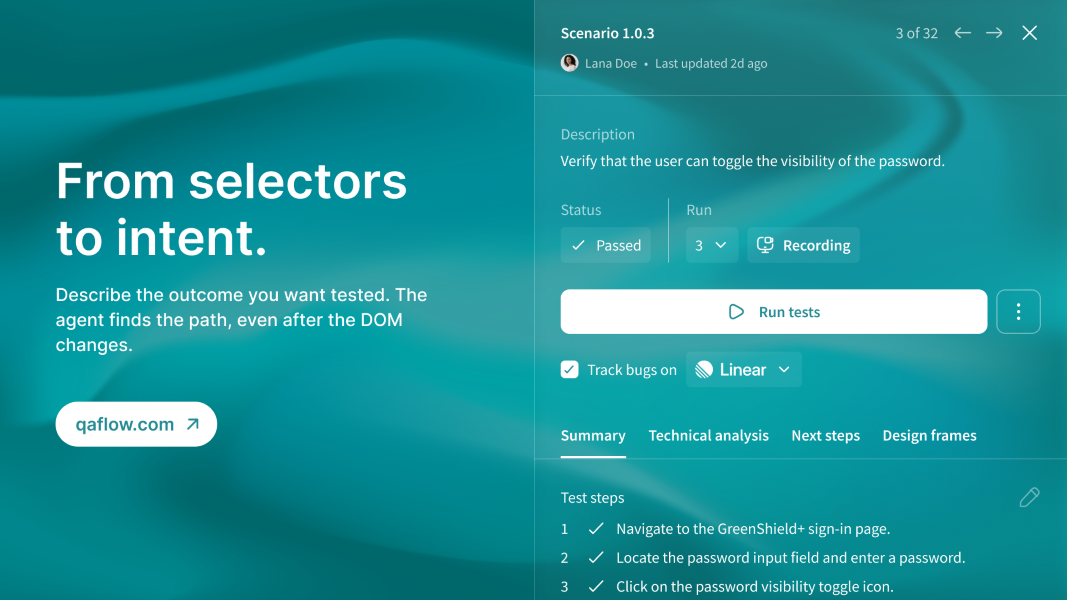
Self-healing tests adapt to UI changes automatically. Autonomous bug reporting handles ticket creation that used to consume 30-40% of QA time. By 2026, these systems will run regression tests and basic quality checks independently, allowing QA professionals to focus on test strategy and exploratory work that finds three times more critical bugs per hour than automated regression can.
Where QA engineers redeploy their expertise
QA professionals are evolving into quality architects, focusing on three areas that require human judgment. First, guiding AI systems and validating their outputs. Second, performing complex human-centered testing like UX validation and accessibility audits. Third, building specialized skills in security testing and performance optimization.
These aren't generic upskilling recommendations. They're specific career paths with defined skill requirements and salary premiums. Test Data Scientists build datasets that train more accurate AI testing models. AI QA Engineers design validation frameworks for autonomous system outputs and define coverage strategies that AI executes. Quality Architects establish testing standards across distributed autonomous systems and perform exploratory testing in areas where human intuition catches edge cases AI might miss.
The qaflow.com/audit tool illustrates this division clearly. The autonomous system detects SEO issues, broken links, spelling errors, and performance bottlenecks instantly. But interpreting which issues matter most for user experience, or deciding whether a detected accessibility problem is a critical blocker or an edge case — that requires human judgment. That's where QA engineers redeploy.
The business case for role transformation
Organizations that invest in evolving QA roles gain a competitive edge through faster release cycles and better strategic testing that only humans can do: regression at scale without proportional headcount increases, exploratory testing that uncovers UX issues and security vulnerabilities autonomous systems miss, and AI oversight that ensures autonomous testing actually delivers reliable results.
The alternative is maintaining expensive manual regression workflows that can't keep pace with modern development velocity, or worse, viewing QA engineers as cost centers to eliminate rather than strategic assets to redeploy.
QA engineers aren't being replaced by autonomous testing. They're being freed from work that shouldn't require human intelligence in the first place. Regression testing doesn't need human creativity. Exploratory testing and UX validation do.