.svg)
.svg)
The evolution of automated browser testing: beyond flaky selenium scripts


I studied a fintech startup whose CI/CD pipeline had stalled completely. The culprit: a testing architecture that had collapsed under its own weight. Their Selenium suite demanded 40 hours of maintenance for every 10 hours of feature work. That's a reality for scaling engineering teams today. Selenium was a breakthrough two decades ago, but it now holds back high-growth teams that can't spend half their time fixing broken locators. The economics no longer work for traditional script-based automated browser testing. The pattern repeats: why half your testing budget disappears into routine upkeep.
Why the maintenance tax is killing your automated browser testing velocity
Engineering leaders often misjudge the true cost of their testing suite. They treat it as a one-time investment, but the cost recurs with every UI change. Traditional automation relies on brittle setups that break the moment a developer changes a CSS class or moves a button. The result: developers spend more time fixing old tests than writing new features.
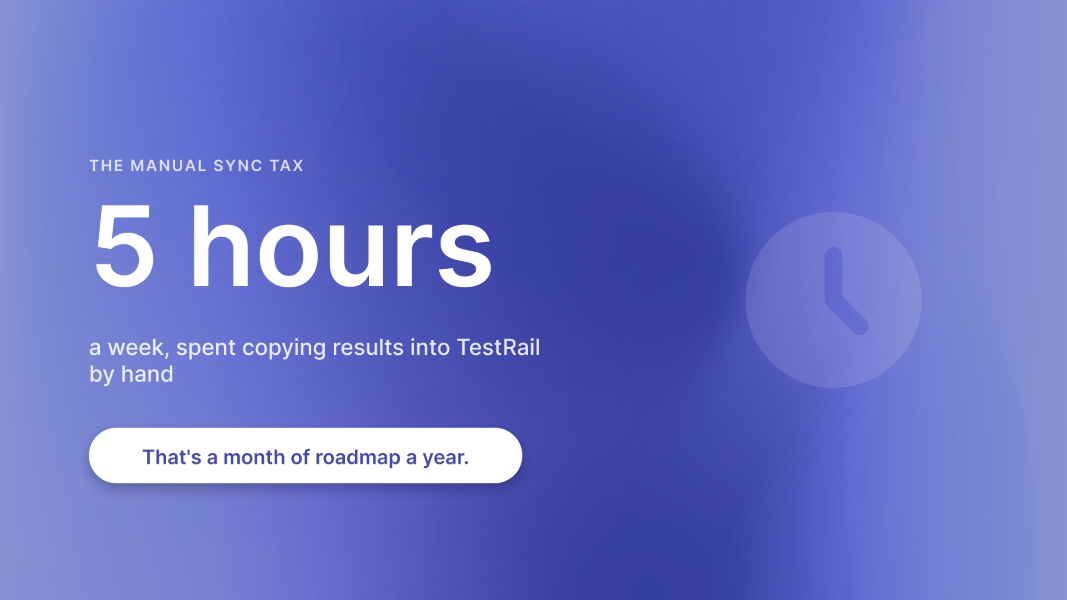
Teams now adopt autonomous software testing to handle these complexities without constant human intervention. The math fails when maintenance needs grow as fast as your codebase. Without intervention, the hidden test automation maintenance cost can consume up to 50% of an engineer's time, stalling new feature releases.

The fragility of CSS selectors
Legacy tools tie themselves to the DOM structure. When you evaluate how your test automation suite is costing you more than expected, you realize that anchoring tests to implementation details is a losing bet. A simple refactor that changes a parent container's ID can break dozens of tests. That proves you're testing implementation details, not user behavior.
The flaky test feedback loop
Flaky tests erode trust in the deployment process. A CI/CD pipeline fails because of a brittle selector, not a real error. Teams start ignoring alerts. Major production bugs then slip through because the one real failure was hidden under ten false positives.
Indicators of maintenance health
You know maintenance is unhealthy when you spend more than 30% of sprint time on test script updates, frequently click retry on CI failures without investigation, see tests break after minor CSS refactors, and have a growing backlog of disabled tests that are hard to fix.
From scripts to agents: The intent-based revolution
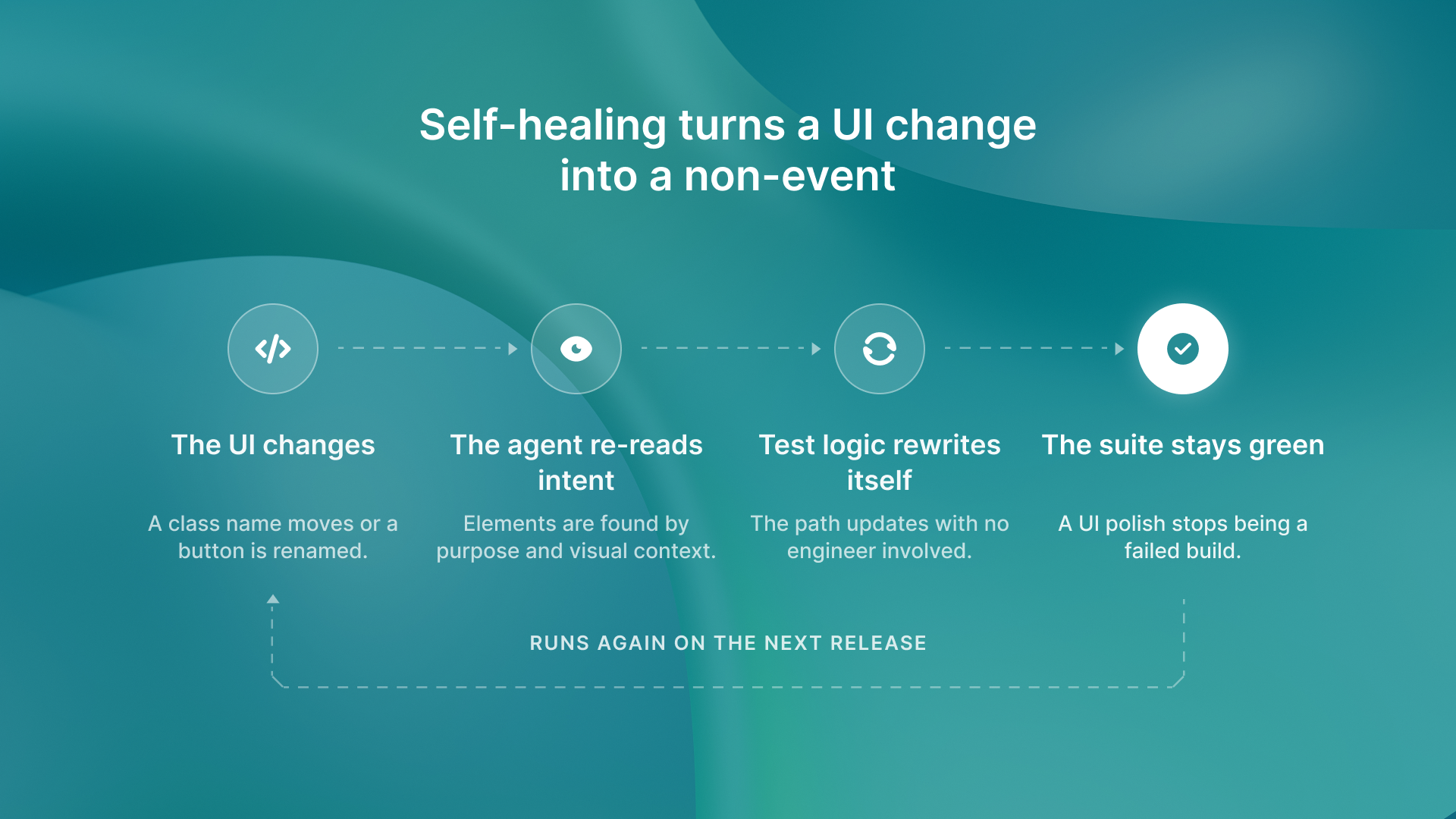
A fundamental shift is underway: from script-based interaction to intent-based execution. Modern systems now support intent-based browser automation (QA Flow) where the system grasps design intent rather than just the DOM structure. Agentic browser automation (Anchor Browser) lets these systems navigate complex workflows like a human would. Intent-based testing validates that a user can complete a goal, regardless of DOM changes. The self-healing capability is powerful. If a button moves from the left sidebar to the footer, the agent finds it because it understands the goal.
Self-healing workflows
When teams prioritize testing behavior over code (QA Flow), they move away from manual script writing. These autonomous systems adapt to UI changes without human help. You define the outcome you want to verify instead of writing code to find a specific XPath. That shift lets your lean engineering team manage results rather than brittle lines of code. For teams scaling their output, rebuilding development workflows (Islands) around these autonomous architectures is essential for long-term velocity. AI-powered software testing has become the norm for maintaining high release frequency.
Modern automation protocols and standards
Modern workflows push toward faster, more reliable execution standards. The transition from the JSON Wire Protocol to WebDriver BiDi (Zenn) is essential. Modern Selenium alternatives focus on reducing setup complexity and execution brittleness (OrbitTest). Beyond functional tests, teams now integrate an automated accessibility audit into every deployment to ensure inclusivity is never an afterthought. When choosing between tools like Playwright and Selenium (MrScraper), the ability to handle asynchronous events and shadow DOMs is a primary differentiator.
Protocol and best practice standards
Key protocol advances include WebDriver BiDi, which enables low-latency, bidirectional events for modern web apps. Modern automation best practices involve implementing browser automation resource blocking to speed up execution. API test automation AI integrates with browser agents for full-stack validation.
What to ask your engineering team about QA bottlenecks
Start by asking your engineering team what percentage of their weekly hours goes to fixing existing test scripts. Then ask how many times the CI/CD pipeline failed last week due to flaky selectors. Find out if a frontend refactor tomorrow would break many tests. Check whether they are testing user-facing behavior or just DOM implementation details. Finally, ask if they can run an automated testing audit (QA Flow) to identify the hidden tax on your velocity.
The takeaway
The math is straightforward. Hiring more manual QA for regression is like filling a leaky bucket. Scaling demands a structural shift to autonomous agents that eliminate the maintenance tax. Fix the bottleneck before it eats your margins. Contact the team for an autonomous audit to see how much speed you are losing. Connect with our specialists to discuss your specific quality assurance requirements and rework your development workflow.