.svg)
.svg)
The QA scaling problem series B companies can't hire their way out of

.png)
Most Series B CTOs face an impossible choice. Hire QA engineers proportionally to development team growth, or accept longer release cycles that kill competitive velocity.
Neither option works. If you maintain a 1:5 QA-to-engineer ratio, you're adding expensive QA headcount every sprint. That slows hiring velocity and burns runway. If you don't scale QA proportionally, regression testing stretches from days to weeks. Your release cadence becomes a competitive liability while faster-moving competitors ship features first.
This is the defining operational constraint for growth-stage engineering organizations. The data shows the industry is stuck. QA team size rose from 17% of engineering orgs in 2023 to 30% in 2025. This is based on TestGrid Software Testing Statistics 2026. That is proportional hiring. It is speeding up in real time. It is slowing growth right when Series B–C companies need to move the fastest.
The market has already voted against proportional hiring
The World Quality Report 2025 found 89% of organizations are piloting or deploying generative-AI augmented QE workflows. That's not experimentation. That's an industry-wide recognition that traditional QA scaling models are structurally unsustainable. Companies are seeking architectural solutions because the hiring-based approach breaks at scale.
The economics confirm this shift. ResearchAndMarkets expects the automation testing market to grow from $19.97 billion in 2025 to $51.36 billion by 2031.
This reflects a 17.05% CAGR. Massive capital is flowing toward automation solutions specifically to break the headcount constraint that's throttling development velocity.
Autonomous testing changes the constraint
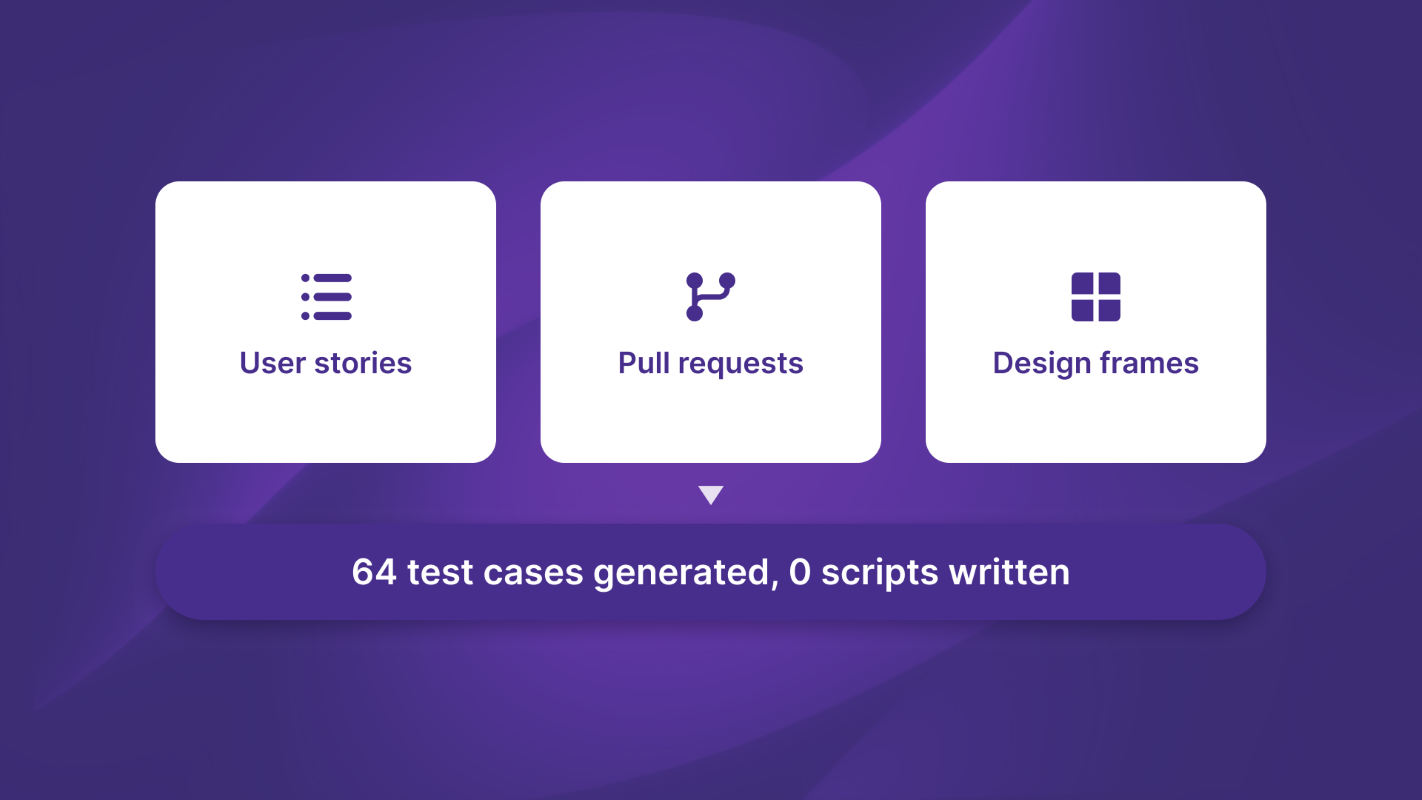
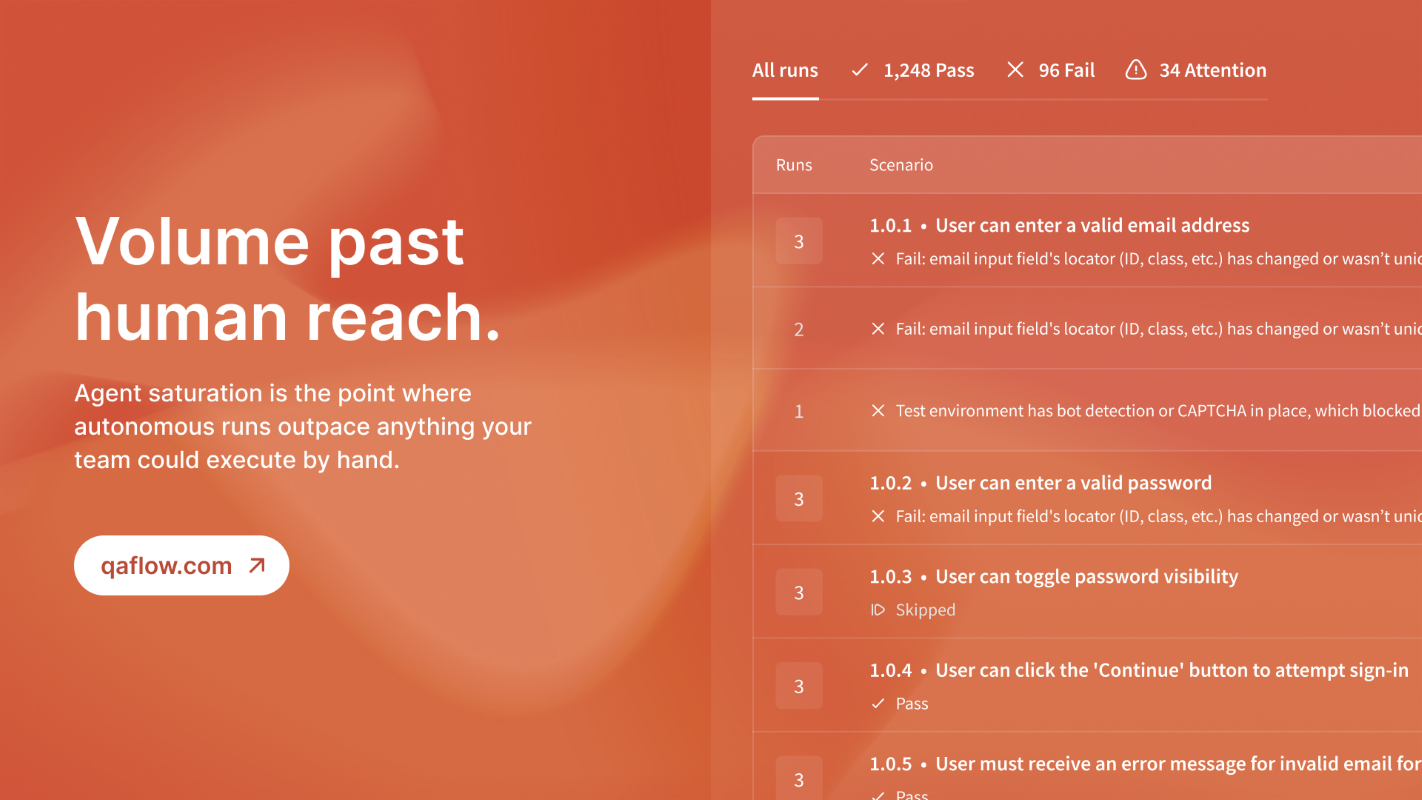
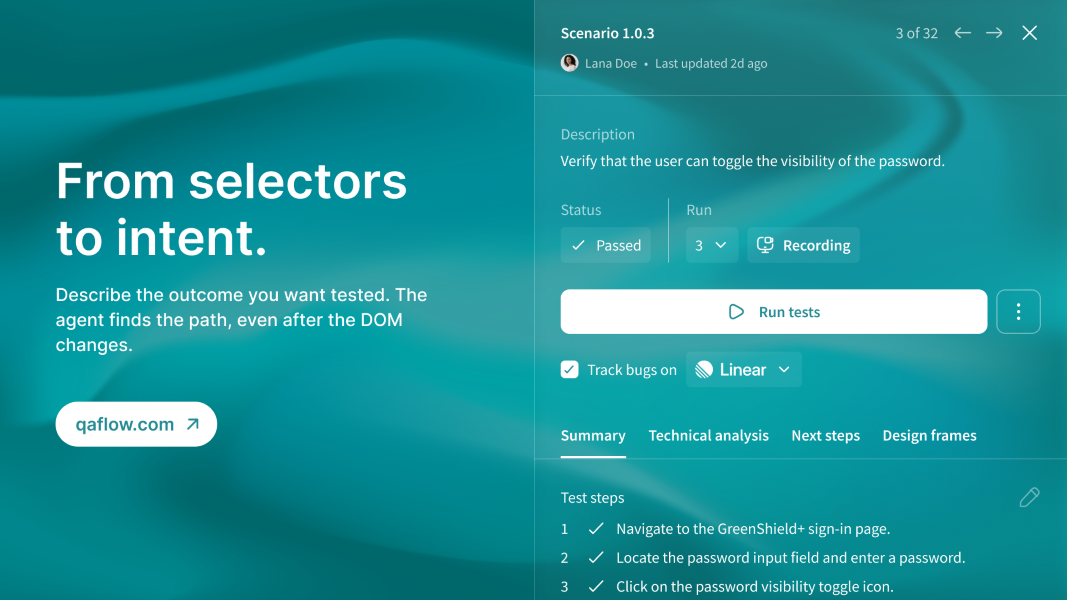
The breakthrough isn't better automation. It's autonomous systems that generate tests from design intent without human test case definition. Tools like QA flow parse Figma designs and GitHub commits. They create test coverage automatically. This differs from Selenium script generators. Those still need human effort to decide what to test.
This breaks the linear scaling model. Companies that use autonomous testing cut QA cycles from two weeks to three days.
They also maintain or improve bug detection rates. That's not optimization. That's eliminating the velocity vs. quality tradeoff entirely.
Development velocity is the competitive constraint at Series B-C scale. Every day of QA cycle time is a day competitors ship features first. The 2-week-to-3-day reduction isn't just efficiency. It's existential for companies racing to capture market share before the window closes.
What this means for your roadmap
The QA bottleneck at Series B-C scale is a structural problem. Proportional hiring cannot fix it without slowing velocity or burning too much runway.
This is the category transition the market is already making. Companies that adopt autonomous testing shift QA staff to high-value exploratory work. They also release faster than competitors who rely on proportional hiring.
Quality at scale isn't about headcount ratios. It's about autonomous systems that test intent, not implementation.